Table of contents
Overcrowded hotspots are losing their shine, and a quiet shift is underway in weekend travel: residents are increasingly swapping famous city breaks for places that barely register on “top 10” lists, looking instead for calm, nature, and a reset that fits into two days. The trend shows up in mobility data, accommodation patterns, and even park visitation, as short-haul escapes tilt toward islands, small coastal towns, and protected landscapes. The appeal is practical, too: lower prices outside peak hubs, fewer queues, and a feeling of discovery that mass tourism can’t easily replicate.
They want calm, not another queue
Ask frequent weekend travelers what they’re trying to escape, and the answer is rarely “home” in the abstract, it is the friction of modern leisure: traffic, crowds, sold-out time slots, and the sense that even relaxation now requires planning weeks ahead. In Europe, where overtourism has become a political topic from the Balearics to the Netherlands, the backlash is not limited to residents of tourist cores; it is influencing how locals travel, with many deliberately avoiding the same bottlenecks they see on social media. The numbers underline the pressure: in 2023, the European Union recorded 2.92 billion nights spent in tourist accommodation, according to Eurostat, a level that essentially returned to, and in some countries exceeded, pre-pandemic intensity. At that scale, “classic” weekend magnets compress huge volumes into narrow corridors of time and space.
In the United States, a similar dynamic plays out in the way people experience public lands. The National Park Service reports 325.5 million recreation visits in 2023, one of the busiest years on record, and anyone who has tried to park at a marquee trailhead on a Saturday knows what that means in real life. Congestion does not just erode enjoyment; it changes behavior. When visitors face timed-entry systems, overflowing lots, and long waits for shuttles, the rational response is to look for landscapes that offer the same psychological benefits with fewer obstacles. That is one reason lesser-known coastal reserves, island chains, and state parks have become the go-to “reset” for locals, who often prioritize breathing room over bragging rights.
A weekend has to feel longer
The weekend reset is not about ticking off landmarks, it is about time, and the paradox is that two days can feel either claustrophobic or expansive depending on how much of them are lost to logistics. Travelers who live near major hubs increasingly optimize for destinations that minimize decision fatigue, with one main base, limited transfers, and activities that start the moment they arrive. Economists have a term for the hidden cost: the “time price” of leisure. Even when money is available, time remains the binding constraint, and short breaks intensify that constraint because delays, queues, and long drive times cannibalize the very thing people are chasing.
This is also why proximity matters more than ever. As hybrid work reshapes the boundary between weekdays and weekends, many people protect their free time with stricter rules, a Friday evening departure that is painless, a Sunday return that does not feel like an ordeal, and a destination where you can walk, kayak, cycle, or simply sit without scheduling your life around reservations. It helps that transport and booking data increasingly expose the value of shorter hops. Airlines and rail operators have seen demand concentrate on high-frequency corridors, but the countertrend is visible in last-minute getaways within a few hours of home, especially where a ferry, a short flight, or a compact road trip replaces cross-country transit. The goal is simple: make the weekend feel like a real break, not a compressed version of a longer holiday.
Nature wins, especially when it’s close
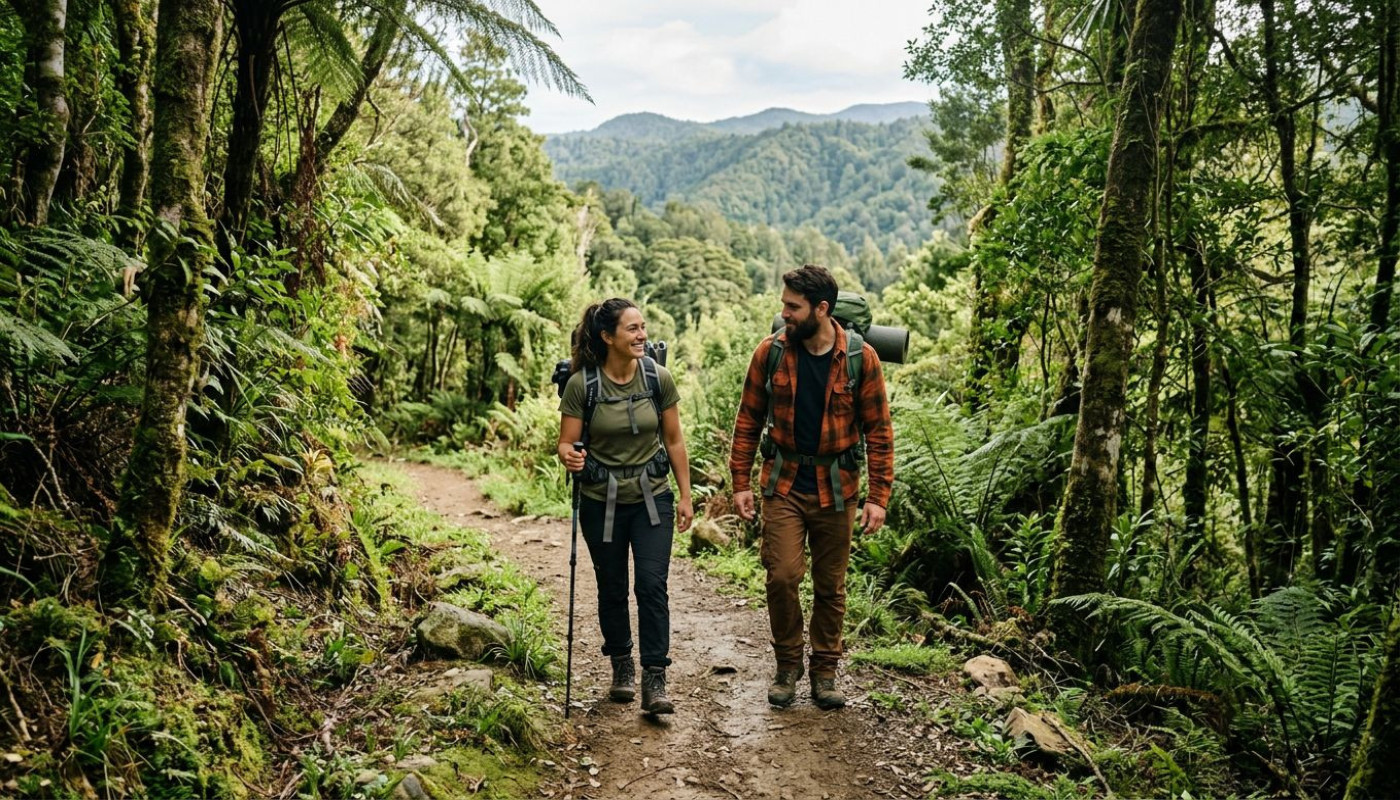
If the destination is lesser-known, it often has one common denominator: nature that feels immediate. That does not mean remote wilderness; it means accessible landscapes where the sensory contrast with daily life is sharp, salt air instead of exhaust, dark skies instead of streetlights, and the kind of quiet that makes sleep come easier. Research has steadily linked exposure to green and blue spaces with mental well-being, and while the science varies in methods and strength, the intuition is widespread and increasingly shapes consumer choices. In Britain, for instance, the Office for National Statistics has used time-use surveys and well-being measures to show that time spent outdoors is associated with higher reported life satisfaction, and in multiple countries public health campaigns now explicitly encourage nature contact as part of healthy routines.
The popularity of coastal and island weekends also reflects a desire for variety without complexity. A small archipelago or a protected marine park can compress a lot of experience into a short radius, with wildlife, hiking, viewpoints, and water activities all within a day’s reach. For travelers on the US West Coast, for example, the Channel Islands have long offered that rare combination: dramatic scenery close to major urban areas, yet still governed by weather and capacity limits that keep the experience from turning into a theme park. Planning remains essential, but it is the kind of planning that serves the trip rather than dominating it, and for practical information on routes, seasons, and how to structure a short stay, many travelers begin with https://www.channelislands-trip.com/ before locking in dates.
Low-key places can cost less, fast
The romance of the “hidden gem” is real, but budgets are the accelerator. Inflation has pushed up the price of weekends out, and accommodation has been one of the most sensitive categories. Eurostat’s Harmonised Index of Consumer Prices shows that the “restaurants and hotels” component remained elevated across many EU countries through 2023 and 2024, and travelers have responded by shortening stays, booking earlier, traveling off-peak, or choosing destinations where supply is not permanently squeezed by global demand. Lesser-known places often have a more balanced market: fewer five-star properties, but also fewer extreme price spikes tied to major events, and more options that feel local, from small inns to campgrounds.
There is another cost that experienced weekenders talk about more candidly now: the emotional cost of paying premium prices for a compromised experience. A high nightly rate is tolerable when it buys space, service, and convenience; it feels like a bad deal when it comes with noise, packed breakfast rooms, and a neighborhood that resembles an airport lounge. That calculation pushes locals toward destinations where the value equation makes sense, where a modest budget can still deliver a sense of indulgence: a seafood dinner without a two-hour wait, a morning hike without a parking battle, and a sunset without a crowd jostling for the same photo. The “lesser-known” label is not always about obscurity; it is often about escaping a market that has priced in global attention.
Plan it like a reset, not a marathon
Book transport early when capacity is limited, set a realistic budget for meals and activities, and check whether local or regional passes reduce costs, especially for parks and public transport. For short breaks, one well-chosen base beats constant moving, and a simple itinerary leaves room for weather, rest, and spontaneous detours that make the weekend feel bigger.
On the same subject
Can Local Festivals Redefine Your Itinerary?

What No One Tells You About Choosing Your Next Travel Destination
Rerouting Classic Itineraries: When The Scenic Path Leads To Surprises

How Spontaneous Detours Reshape Your Travel Itinerary

The Psychology Behind Choosing Your Perfect Vacation Spot

The Rise Of Exclusive Clubs In Urban Settings: Amenities And Cultural Impact
