Table of contents
Summer calendars are filling fast, and tourism boards from Edinburgh to Osaka are betting on one thing to spread visitors beyond the usual hotspots: local festivals. The trend is not just cultural, it is strategic, as destinations use event weeks to smooth demand, lift midweek occupancy, and pull travellers into neighbourhoods they might otherwise skip. For anyone planning a trip in 2026, the real question is no longer “Where should I go?” but “What’s happening there when I arrive?”
Festival dates now drive flight searches
One weekend can rewrite an entire route, and the data show it. In 2024, global international arrivals returned to roughly 99% of pre-pandemic levels, according to UN Tourism, and that rebound has sharpened competition for attention, as travellers compare destinations that feel interchangeable on a map but completely different in the streets. Festivals cut through that noise because they create a fixed moment, and fixed moments influence booking behaviour far more than generic “best time to visit” advice.
Airlines and hotels have long measured the “event effect”, yet it has become more visible since 2022 because dynamic pricing reacts instantly to spikes in demand. Major European music and arts weeks regularly push nightly rates well above seasonal averages, and not only in the host city centre, as spillover reaches secondary towns connected by rail. In practical terms, that means itineraries built around a festival behave like itineraries built around a sporting final: people arrive earlier, stay later, and accept higher prices because the experience is date-specific. The parallel is clear in the numbers from the live sector, too: PwC’s Global Entertainment & Media Outlook projects global live music revenue continuing to climb through 2027, and promoters increasingly coordinate with cities because a sold-out programme can translate into booked rooms and full restaurants.
For travellers, the implication is straightforward and slightly counterintuitive. If you treat festivals as an “extra”, you risk paying peak prices without getting peak value, because the city is crowded but you have not secured tickets, timed entries, or even a workable local transport plan. If you treat the festival as the anchor and everything else as flexible, you can often do the opposite, booking key moments early, then letting the rest of the trip fall into place around neighbourhoods, day trips, and quieter mornings. It is itinerary design driven by a calendar rather than a checklist, and it is increasingly how frequent travellers are stretching a week into something that feels unique.
The best cities hide their best nights
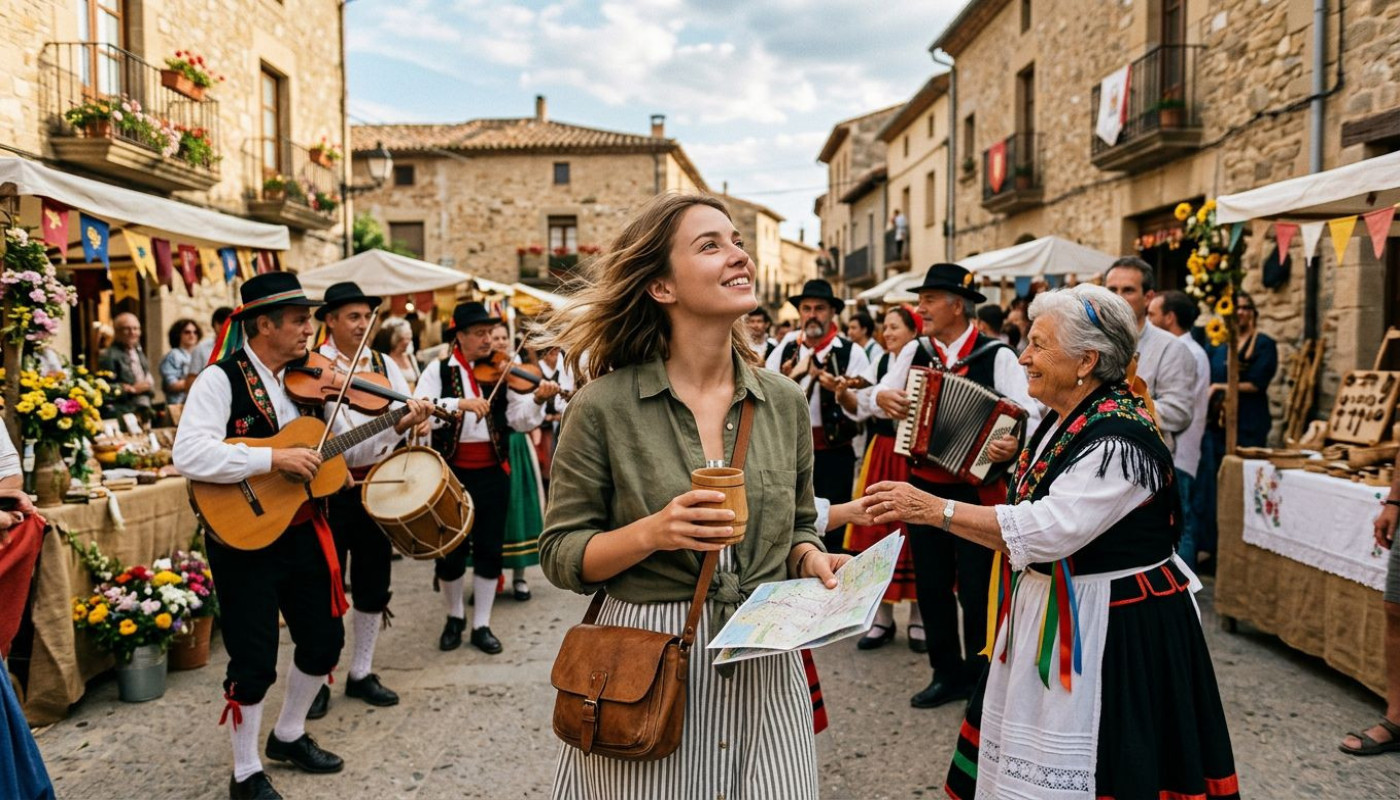
Think you know the place already? That is exactly when a local festival can surprise you. The most interesting programmes are not always the stadium-scale events that dominate international headlines, they are the ones that reshape ordinary routines, turning a market square into a stage, opening workshops that are usually closed, and drawing residents out late because it feels like their week, not yours. That shift matters because overtourism debates are no longer abstract; cities from Amsterdam to Venice have tightened rules, introduced taxes, and experimented with crowd controls, and travellers are feeling the friction of visiting the same “must-see” corridors at the same time as everyone else.
Local festivals can reroute you away from those corridors without the trip feeling like a compromise. A food festival in a residential district makes dinner the headline, and suddenly you are exploring bakeries, community halls, and small galleries you would have missed. A contemporary dance programme might pull you into converted warehouses or waterfront venues, and you end up seeing how a city uses its industrial edges. Even traditional celebrations, which can look touristy on posters, often contain moments that are deeply local, such as processions that cut through back streets, community meals, or public rehearsals that are free and unadvertised outside local-language channels.
There is also a budget logic that travellers underestimate. Big-name attractions tend to have predictable pricing and predictable crowds, whereas festivals often distribute value unevenly. You might pay for one headline ticket, then find that the best moments are free, from outdoor screenings to neighbourhood parades. City governments like these formats because they spread footfall and spending; travellers benefit because they get a fuller experience without paying for a full itinerary of premium admissions. The trick is to plan like a local for at least part of the trip: follow municipal listings, look at venue maps, and build in slack time for detours, because the best festival memories are rarely the ones that happen on schedule.
Culture, crowds, and the money trail
Follow the crowds, and you will also follow the economics. Festivals are not only “nice to have” cultural add-ons; they are increasingly treated as tools of destination management. European cities that have struggled with summer concentration now push shoulder-season programmes, and there is a reason: demand smoothing supports jobs and reduces pressure on infrastructure. In the UK, for example, arts and culture are routinely framed as drivers of local economies, and while impact studies vary by methodology, they consistently show that visitor spending during event periods supports hospitality, transport, and retail, often with a multiplier effect that extends beyond ticket revenue.
This financial footprint shapes the visitor experience in subtle ways. During an event week, public transport timetables can be reinforced, pop-up signage appears, and venues coordinate late openings, which makes a city feel more navigable at night. On the other hand, the same forces can produce the downsides travellers complain about, such as inflated short-term rentals, restaurant no-shows, and sudden closure of “normal” services because staff are redirected to festival sites. The smartest itinerary is the one that anticipates both realities: it leans into the organised energy, and it avoids the pinch points that locals warn about.
That is where practical research matters, especially for destinations where language barriers or fragmented event listings can make planning harder than it should be. A reliable, up-to-date guide can save hours, not only by listing dates and venues, but by showing how to move between them efficiently, which neighbourhoods make sense for a base, and what to book before you land. If you are weighing festival timing as part of your trip planning, a starting point worth consulting is https://www.macau-trip.com, because the difference between a smooth festival week and a chaotic one often comes down to the quality of your local information.
How to build a festival-first itinerary
Start with one commitment, not ten. Pick the festival day, venue, or headline event you most want, then build outward with a simple rule: mornings for low-crowd sights, afternoons for neighbourhoods, evenings for programme time. That structure respects how crowds behave, as city centres fill later, queues grow after lunch, and transport becomes the constraint once shows end. It also helps you avoid the classic mistake of overbooking, which is especially tempting when a programme looks dense and you fear missing out.
Next, choose accommodation like a commuter. Staying “close” to the main venue sounds sensible, yet it is often the most expensive and least restful option, because you are surrounded by the noisiest streets, and you will still spend time in transit if the programme is spread across multiple sites. A better approach is to stay one or two stops away on a reliable line, ideally near late-night food and a taxi rank, and to map your return route before you go out. When the final act ends and thousands of people move at once, that preparation is worth more than a perfect hotel view.
Finally, budget realistically, and be selective about paid experiences. Festival weeks can create “hidden costs”, such as cashless top-ups, locker fees, or pricier last-minute meals, yet they also offer discounts and free programming if you know where to look. Many cities provide subsidised tickets for certain events, and some festivals run early-bird pricing months ahead. If you plan to travel by train between cities, check whether event partnerships offer passes or combined entry, because organisers increasingly collaborate with transport providers to reduce car traffic and spread arrivals across the day.
Booking checklist for 2026 trips
Reserve headline tickets early, and lock transport before prices jump, then leave space for the unexpected, because that is where local festivals deliver their best value. Set a clear budget for one paid night and two free nights, and check whether municipal programmes or cultural vouchers apply to visitors, especially in shoulder seasons.
On the same subject

What No One Tells You About Choosing Your Next Travel Destination

Rerouting Classic Itineraries: When The Scenic Path Leads To Surprises

How Spontaneous Detours Reshape Your Travel Itinerary

The Psychology Behind Choosing Your Perfect Vacation Spot

Why Locals Escape To Lesser-known Destinations For A Weekend Reset

The Rise Of Exclusive Clubs In Urban Settings: Amenities And Cultural Impact
